
Company overview
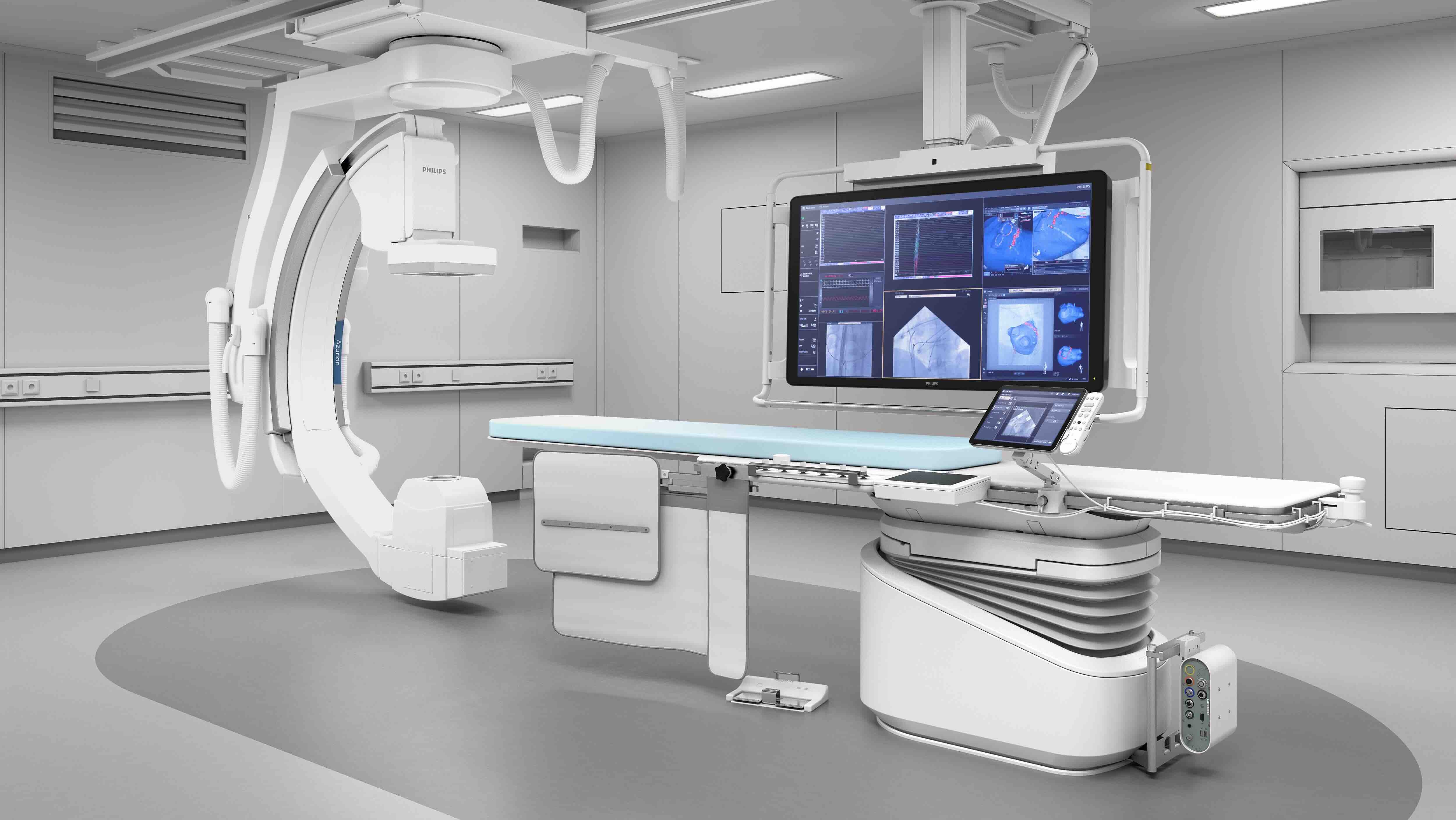
Philips Healthcare offers a wide portfolio of connected medical technology, combining advanced hardware with integrated software. The company’s hardware includes MRI and CT scanners, X-ray and fluoroscopy systems, ultrasound devices, and patient monitors used from bedside to transport, as well as image-guided therapy suites. On the software side, Philips provides enterprise imaging and cloud platforms that allow providers to store, share, and analyze scans with near-constant uptime, along with the HealthSuite Digital Platform for secure data exchange and analytics. Together, these tools are built to interoperate, giving clinicians continuous patient data, remote access, and AI-supported workflows that improve speed, coordination, and accuracy of care.
Philips increasingly packages technology as subscriptions and long-term managed services: subcategories of hardware-as-a-service (HaaS) such as EMaaS (Enterprise Monitoring as a Service), TaaS (Technology-as-a-Service), and vendor-neutral managed services. Examples include EMaaS deals in which hospitals pay a per-patient fee while Philips retains hardware ownership and delivers ongoing hardware, software, networking and support; Technology Maximizer, a multi-year subscription that bundles periodic software and console hardware upgrades for imaging fleets; cloud subscriptions for HealthSuite Imaging/PACS; and enterprise managed service partnerships that cover multi-vendor fleets and outcome-oriented service levels. Each of these models shifts spend from CapEx to predictable OpEx while standardizing platforms and accelerating upgrades.
Customers and target markets
- Jackson Health System
- Vanderbilt University Medical Center
- NYU Langone Health
Company metrics
- Headquarters:
- Cambridge, Massachusetts
- Company size:
- 1,000+
- Founded:
- 1891
- Industries: